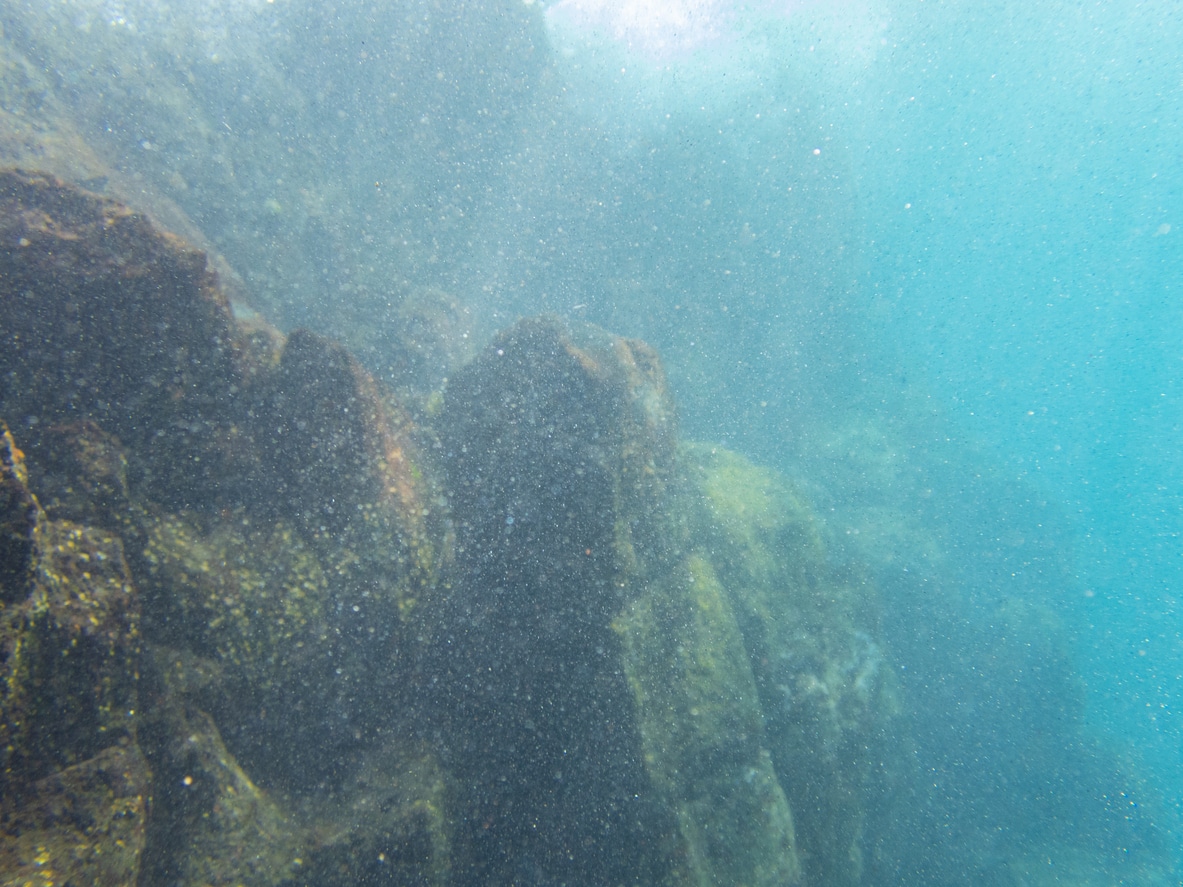
Learn All About Submarine Volcanoes and Marine Life Adaptations
Did you know that volcanoes exist underwater? Well, if you didn’t, you do now!
The world’s waters never fail to amaze us, so let’s get to the bottom of this natural activity, exploring why it happens, where in the world you can find these volcanoes, and how they impact our habitats and marine life.
What is a submarine volcano and how do they form?
The volcanoes we’re all familiar with are known as continental volcanoes, and these form where tectonic plates meet. They then erupt when these tectonic plates move and cause earthquakes. Meanwhile, submarine volcanoes form on the same mid-ocean ridges between tectonic plates, except they’re created underwater.
Most submarine volcanoes are found in the deepest parts of the ocean, which makes it difficult to discover and track their activity. Some of these volcanoes are found in shallow waters, and their eruptions can be seen much more easily.
One of the most well-documented submarine volcanoes is called ‘Axial’, found just off the western coast of the USA. It has erupted three times in 1998, 2011 and 2015. Now, with a submarine observatory set up at the time of the last eruption, water level and temperature changes caused by eruptions can easily be monitored.
‘Surtsey’, off the coast of Iceland, is an example of a shallow-water submarine volcano. When it erupts, it can easily be spotted near the water’s surface.
Unique habitat and marine life

When submarine volcanoes erupt, they release magma just as volcanoes above ground do. However, the magma cools quickly, and the eruption is usually less dramatic because of the surrounding water pressure. That being said, the eruptions also release toxic chemicals and can create small cracks in the seafloor, called hydrothermal vents.
These conditions create biodiversity hotspots for creatures that thrive in hot, mineral-rich waters. In the deep sea, creatures like the black cardinalfish and black oreo are known to be attracted to these vents. Closer to sea level, whales and sharks are drawn to the vents thanks to the unique bacteria feeding off the volcanic activity, which is a great food source for these larger creatures.
Therefore, these areas are critical to the health of many sea creatures and help sustain biodiversity.
Submarine volcanoes don’t just sustain life, though. The chemicals and gases released into the water, combined with drastic temperature shifts, can also destroy nearby habitats and life. Smaller creatures, like mussels, can be swept away by underwater tidal waves that form after this type of volcanic activity.
5 impressive facts and stats about submarine volcanoes
Submarine volcanoes are certainly fascinating, so let’s dive into a few exciting facts and figures:
- Underwater volcanic activity accounts for almost three-quarters of all volcanic activity on Earth.
- ‘Northwest Rota-1’ and ‘West Mata’ are the only two deep-sea submarine volcanic eruptions that have been caught in real time.
- The eruption of Krakatoa is known to have been the loudest sound ever heard, reaching 310dB. This could be heard from over 5,000km away!
- Scientists estimate that more than one million active submarine volcanoes could exist around the world.
- The Hawaiian Islands formed because of submarine volcano eruptions that eventually reached sea level.

Krakatoa’s history and lasting impact on the oceans
The historic disaster of Krakatoa remains one of the deadliest eruptions from a submarine volcano.
In 1883, the volcano violently erupted and destroyed approximately 70% of Krakatoa Island and the surrounding collection of islands, found in Indonesia. It also caused devastating tsunamis, killing tens of thousands of people.
The explosion was rated 6 on the Volcanic Explosivity Index (VEI) and intermittently erupted for around 3 months. This led to the destruction of the island of Rakata and the formation of a large cauldron-like hollow, known as a caldera, which forms after a volcano’s magma chamber erupts and empties.
The upper layers of the surrounding oceans cooled significantly after the eruptions. Worldwide, though, it helped keep sea levels lower and is thought to have played a huge role in slowing down global warming.
Learn more at Deep Sea World
Want to meet some of the creatures thriving in the conditions left behind by Krakatoa? From the Pacific sailfin tang and blue damsel to the snowflake moray eel and Arabian carpetfish, our dedicated Krakatoa exhibit here at Deep Sea World has it all. Visit us and learn about these fascinating sea creatures while discovering more about the historic volcanic activity at Krakatoa and its impact on the surrounding underwater habitats.
Hungry for more facts about the underwater world and the creatures within it? Check out more on our blog.


