Exploring Rock Pools: Getting Started and What to Do
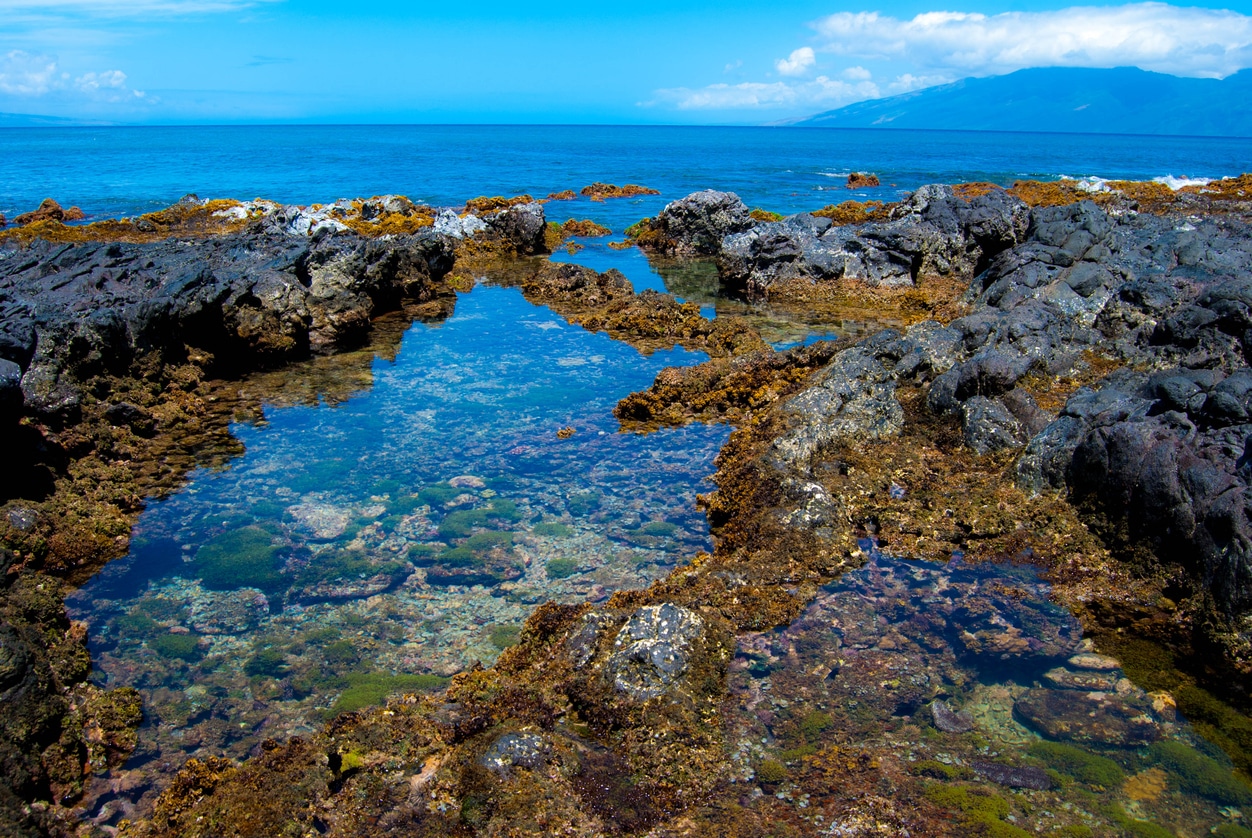
Rock pools provide a window into another world, one teeming with colourful, intriguing life. These special habitats are found along our coast and can help people to reconnect with the simple pleasures of interacting with our natural world – if done properly, of course.
But what exactly are rock pools? What species do they contain? And how can you enjoy interacting with these precious marine habitats safely? To help you get the most from your next rock pooling adventure, we’ve put together a hands-on guide to exploring rock pools.
What is a rock pool and how do they form?
A rock pool is a small pocket of water that forms when the tide goes out on a rocky seashore, leaving the water to pool in holes, trenches and crevices. Over time, these pools of water develop into miniature habitats, creating a home for an astonishing variety of plants and animals. They are a natural basin that is left behind when the tide recedes, forming a self-contained microhabitat.
What creatures live in rock pools?
Rock pools are home to a remarkable array of marine species and plants, many of which prefer life in the pools for the unique food and breeding opportunities they can bring. Here are just some of the types of animals you’ll find in a rock pool:
- Fish: Including the likes of gobies, blennies and pipefish.
- Crustaceans: Including green shore crabs, porcelain crabs, blue velvet crabs, squat lobsters and prawns.
- Invertebrates: Such as molluscs, starfish and sea urchins.

How have creatures adapted to rock pools?
Rock pools are certainly not the easiest of habitats, with extreme conditions such as being exposed to the sun and predators. Many of the creatures that live in rock pools have adapted to thrive as best they can. Blennies, for example, have learnt to hide under stones or within small cracks when living in rock pools, while their eyes are located on top of their head – perfect for spotting pesky seagulls.
Other adaptations include hard shells and limpet feet for protection and strong attachment in order to withstand intense waves. The creatures that live here must also be able to withstand conditions with low oxygen and possible high salinity (salt) too.
Rock pool guide: Safety and success
Discovering the hidden wonders of rock pools is a sure-fire way to get youngsters interested in marine animals and our precious coastal habitats. But what should you bring along to ensure an immersive day out on your rock-pooling adventure? Let’s take a look.

What to bring for rockpooling
- A notepad and pen – it’s a good idea to draw or take notes of all the creatures you find in a rock pool, so a pen and paper are a must for young explorers.
- Wellies or waders – even on warm days, we wouldn’t want to wade into a rock pool without wellies on, as the water can be very cold. Waterproof shoes with good grip are a must for rock pool exploration.
- A magnifying glass – as we touched on earlier, the creatures found in rock pools can be tiny, so a magnifying glass can help you see these fascinating animals in all their remarkable detail.
Tips for exploring rock pools safely
We want everyone to enjoy the thrill of exploring the amazing rock pools to be found along our coastline, but it’s important to do so safely. Here are a few tips on how to get the most from your next rock pooling adventure while making sure everyone stays safe:
- Rock pools can be surprisingly deep, so never wade into one unless you can clearly see the bottom. A long stick can help you gauge how deep a pool is.
- It goes without saying, but always check high tide times before setting out on your rock pool adventure. This is particularly important if you’re on a promontory that’s further out to sea than the beach itself.
- Never go rock pooling on your own, and make sure everyone stays with the group. Not only can they be deep, but shifting or quick sand can be hazardous around rock pools.
- Always pack a first aid kit when rock pooling – there’s every chance of a small cut or scrape as you clamber about the rocks and pools.
- Try to plan your rock pool discovery when the weather is dry and calm. Not only will this make for a more pleasant day out, it will also mean the surface of the pools will be still – all the better for seeing the creatures within.

How to protect and approach rock pools
It’s important to make sure that you’re protecting the habitat of a rock pool and not upsetting the balance, or the wellbeing of the creatures found in them. Consider the following tips to keep the animals as safe as possible:
- Look, don’t touch – It’s generally recommended to avoid removing any animals from their rock pool, instead using your magnifying glass to look at them.
- Don’t remove attached creatures – If you find an anemone or barnacle that’s attached to a rock, do not pry them off as this could cause them damage.
- Lift rocks gently – If you are turning over rocks to see what’s underneath, always put it back where you found it as it could be providing shade or a home for a species underneath.
- Use a bucket with seawater if necessary – If you do want to temporarily move an animal for a closer look, always use a clear or white bucket filled with seawater to keep them safe, and keep the bucket in the shade.
Best places for rockpooling in Scotland
While rock pools can occur on any coastline where there are rocks close to the surf, there are a handful of beaches around the UK where exciting rock pool discoveries are all but guaranteed. Let’s take a look at some of the best places in Scotland to try rock pooling.
Killiedraught Bay, Berwickshire
Thought as one of the finest rock pooling sites in Scotland, you’ll find an abundance of life here including seaweed species like bladderwrack and kelp as well as sea sponges and butterfish. The cliffs nearby are also home to a huge variety of seabirds including razorbills and guillemots.
Calgary Beach, Isle of Mull
This beach is an incredible home to the likes of urchins, starfish, crabs and even jellyfish. The Isle of Mull is also a great place to spot species like seals, porpoises and even minke whales.
Crail Roome Bay, Fife
This sandy cove is only 10 minutes’ walk from the centre of Crail, home to a variety of different creatures. You’ll find common shore crabs, barnacles, gobies and anemones here.
Discover more marine life at Deep Sea World
Why not come and put your rock pool knowledge to the test here at Deep Sea World? We have a variety of species here to help you further your learning of marine life on the coast, including seals, lobsters, anemone and more.
Book your tickets today to visit us and discover everything we have to offer!


